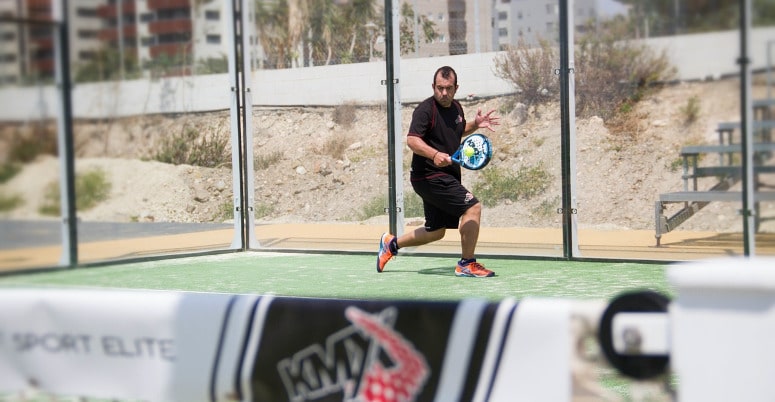


Padel is a sport that can be played both on indoor courts and outdoor courts, and the choice between these options can significantly influence the playing experience. In this article, we analyze the differences, advantages, and disadvantages of each type of court, how weather conditions affect the game, and which factors influence the ball’s behavior during the match.
If you are undecided about where to play or want to better understand how the environment impacts your performance, this guide will help you make an informed decision and adapt your game according to the circumstances.
Table of Contents
Advantages and Disadvantages of Indoor vs Outdoor Padel Courts
Indoor courts offer a controlled environment that protects players from external factors such as wind, rain, or intense sun. This creates consistent conditions that favor precision and game rhythm, ideal for those seeking stability in their performance.
On the other hand, outdoor courts allow you to play in direct contact with the natural environment, which can be more enjoyable for many but introduces climatic variables that directly affect the game, such as wind, temperature, and humidity.
- Advantages of indoor courts: weather protection, uniform lighting, less wear on the ball.
- Disadvantages of indoor courts: less exposure to natural conditions that help improve adaptability, possibility of higher humidity inside the facility.
- Advantages of outdoor courts: natural feeling, possibility of playing in different conditions, greater ventilation.
- Disadvantages of outdoor courts: wind can affect the ball’s trajectory, the sun can be blinding, rain can prevent playing.
Differences in Playing Padel Indoor and Outdoor
Playing on an indoor court usually translates into a faster and more controlled game since the absence of wind allows the ball to follow a predictable trajectory and lighting conditions are constant. This facilitates technical shots and precision-based strategies.
In contrast, on outdoor courts, the wind can alter the ball’s direction, forcing players to constantly adapt. Temperature and humidity also affect the response of the padel ball and player endurance, making the game more physical and variable.
How Sun, Wind, and Rain Affect Padel
The sun can be a challenging factor on outdoor courts, as its position can cause glare and make visual perception difficult for the player. Additionally, intense heat causes players to tire faster and makes the ball lose pressure more quickly, affecting speed and bounce.
Wind is probably the biggest enemy on outdoor courts, as it modifies the ball’s trajectory and can alter shot accuracy, requiring constant tactical adaptations. Indoors, this variable disappears, allowing for a more predictable game.
Rain generally prevents playing padel on outdoor courts, whereas on indoor courts the game can continue without interruptions, ensuring greater availability and consistency.
How Does Heat Affect the Padel Ball?
Heat causes an increase in the internal pressure of the ball, which initially can make it bounce faster and higher. However, over time and with continuous exposure, the ball can lose pressure and wear out faster, altering its behavior and affecting game quality.
Therefore, on indoor courts with controlled temperature, the ball maintains a more stable performance, while on outdoor courts the player must get used to these variations and adapt their playing style to compensate for the changes.
Conclusion: Indoor or Outdoor Court?
The choice between indoor or outdoor padel courts depends on personal preferences and priorities of each player. If you are looking for consistent, interference-free conditions, the indoor court is the ideal option. If you enjoy playing in contact with the natural environment and adapting to external variables, the outdoor court will be more appealing.
In any case, knowing the differences and how weather affects the game will allow you to prepare better and get the most out of every match, regardless of where you play.
FAQs about Indoor and Outdoor Padel Courts
What is the best option to play padel, indoor or outdoor court?
There is no single answer as it depends on the player and their preferences. Indoor courts offer constant and protected conditions, ideal for technical training and matches without weather interruptions. Outdoor courts allow enjoying the natural environment but require adapting to factors such as wind and sun. The important thing is to know the differences to get the most out of each type.
How does wind affect the game on outdoor padel courts?
Wind alters the ball’s trajectory, complicating accuracy and shot planning. Players must adjust their technique and strength to compensate for these variations, adding an additional tactical and physical component to the game. On indoor courts, this difficulty disappears, facilitating a more technical and predictable game.
What precautions should be taken when playing padel under intense sun?
It is recommended to wear sports sunglasses, a cap or visor, and sunscreen to protect the skin. It is also essential to stay well hydrated and adjust the game pace to avoid excessive fatigue. The sun can cause glare, so positioning oneself on the court to minimize this effect is key to maintaining good performance.
Why does the padel ball behave differently on indoor and outdoor courts?
Temperature and humidity affect the ball’s internal pressure and elasticity. On indoor courts with controlled climate, the ball maintains a more stable performance. Outdoors, variable conditions cause changes in bounce and speed, requiring the player to adapt their game and strategy.